
Accelerated settlements: T+1 in the EU – Q1 2026 key findings
How is EU readiness changing as firms move closer to T+1 delivery?
In Partnership with



SHARE THIS INSIGHT
Based on input from more than 600 market participants, these key findings examine how firms in the EU are progressing towards T+1. The findings show rising engagement, but also continued pressure around automation, counterparties and operational dependencies.
Engagement is rising
Engagement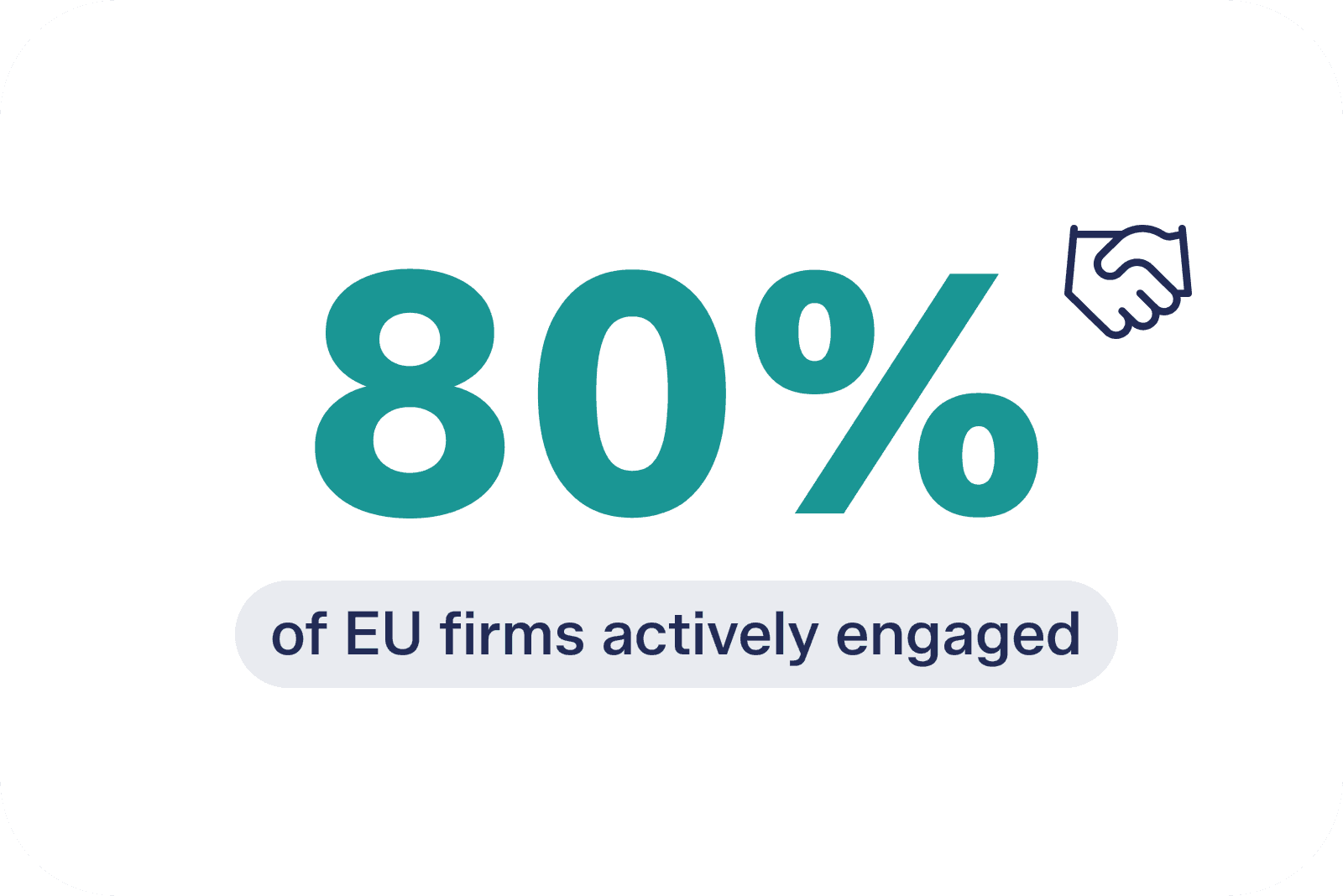
Engagement has moved up sharply, but readiness remains well behind participation.
This is up from 65% in Q3 2025.
Full readiness remains low
Readiness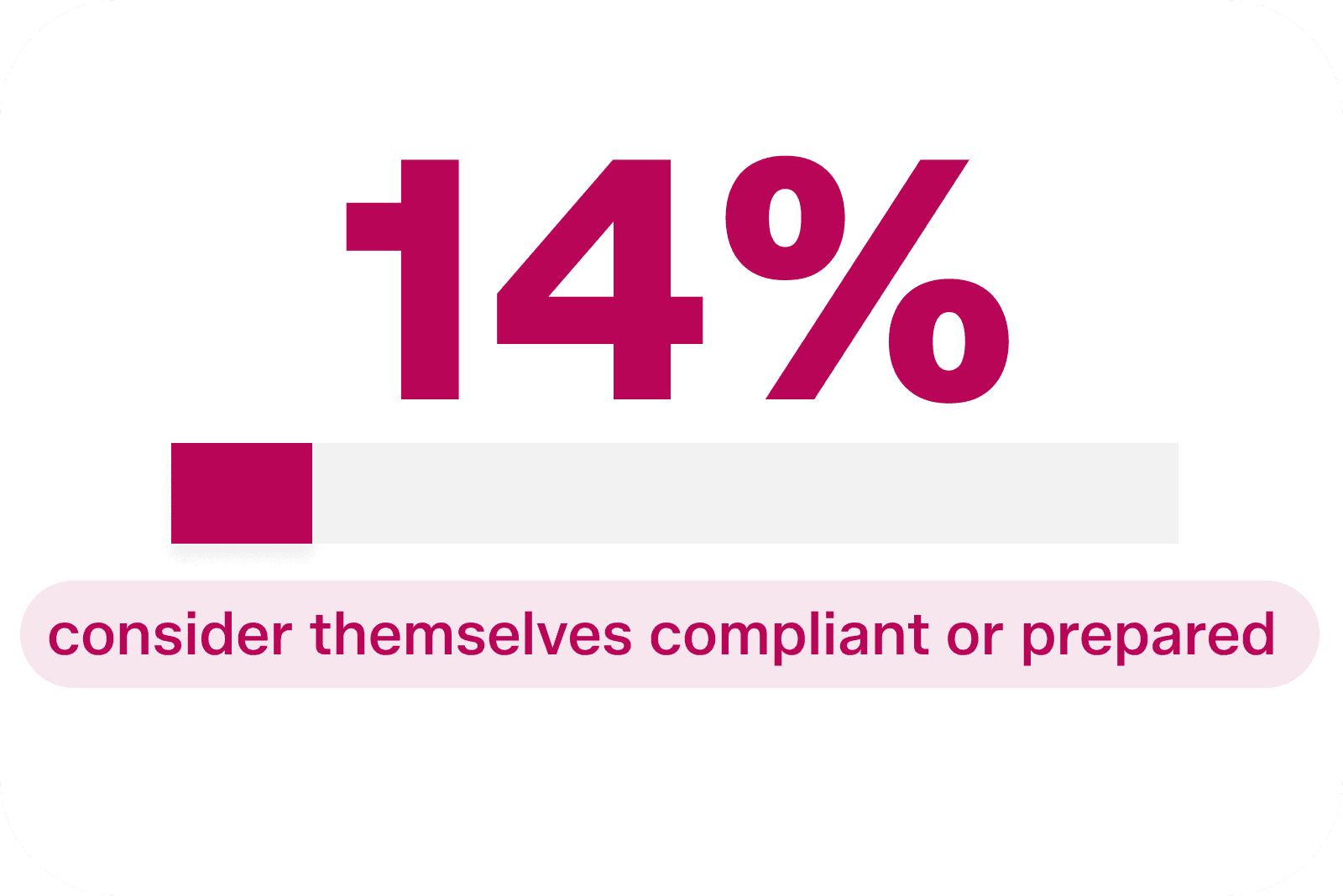
Most firms are now engaged, but only a small minority see themselves as ready.
Development work remains incomplete across several parts of the market.
Automation work is back-loaded
Delivery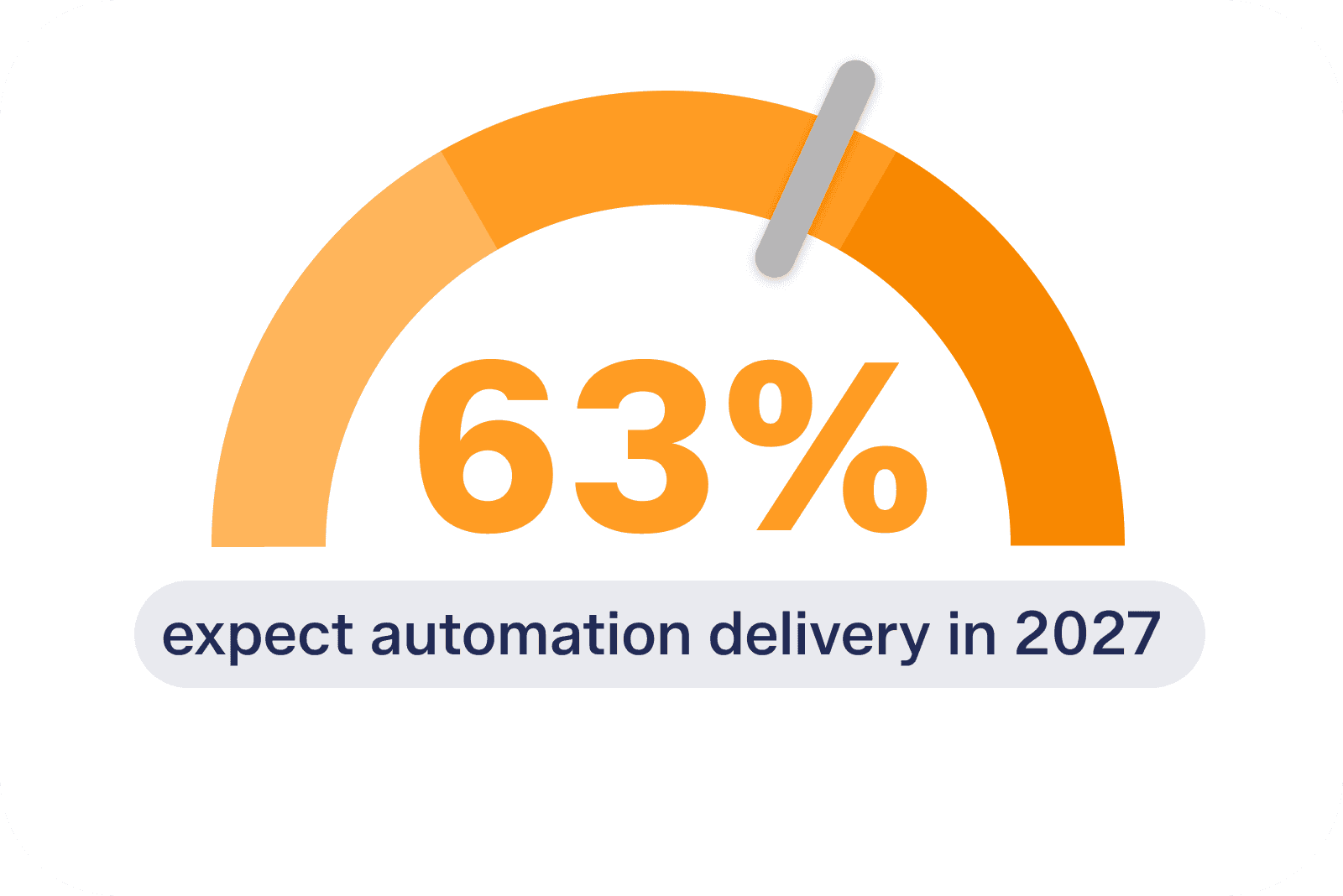
A large share of delivery is now moving closer to the testing window.
Clients, counterparties and custodians are also becoming more material dependencies.
EU readiness for T+1 is building, but operational pressure remains material. Engagement has increased since Q3 2025, yet the path to implementation still depends heavily on automation timelines, service provider support and cross-market coordination.
Where is readiness improving across the EU? Which dependencies are becoming more important as firms move from planning towards practical delivery?
These key findings draw on input from more than 600 financial services professionals, with 73% of responses coming from Europe. The EU findings show where readiness is advancing, and where market participants continue to face pressure around technology, counterparties and trade-cycle change.
The research, produced in partnership with Euroclear and Clearstream, highlights:
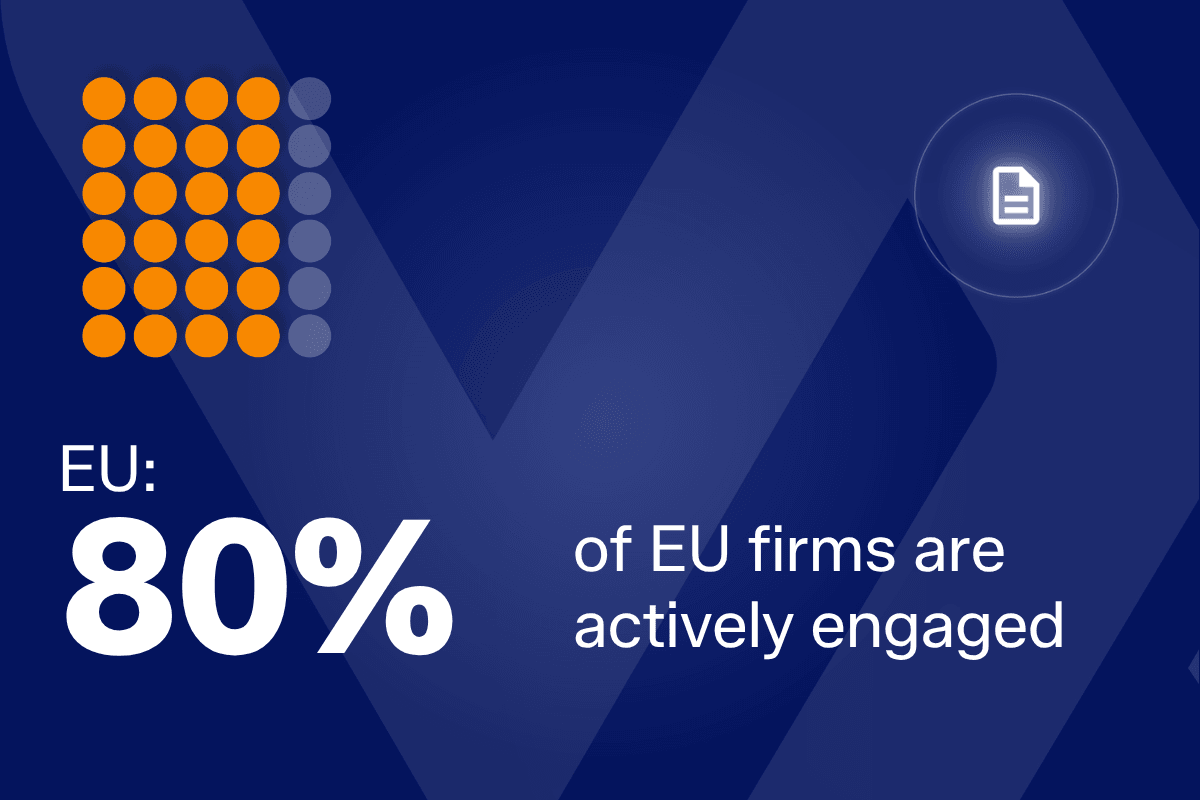
80% of firms are actively engaged in EU T+1 preparations: this is up from 65% in Q3 2025
Only 14% see themselves as compliant or fully prepared as of Q1 2026
57% of investors and 49% of custodians have yet to start development work
63% expect to complete automation work in 2027: key delivery work is moving closer to the testing window
Clients, counterparties and custodians are a growing concern for up to 37% of firms
Ask the Xchange AI
Have a question about our research? Ask our AI assistant for specific insights.
Create an account to continue
This content is for registered members

Discover More
View All Insights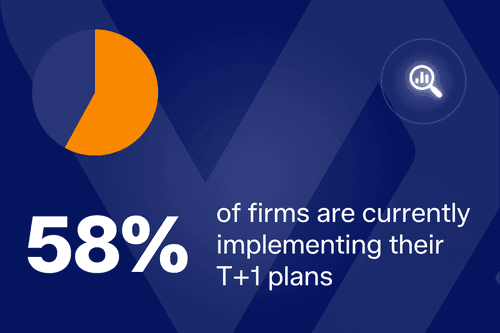
Key findings
15 July 2026
How ready is Europe for a critical year in the transition to T+1?

Webinar recording
14 July 2026
How is readiness evolving across the EU, UK and Switzerland as T+1 moves closer?

Xchange brief
14 July 2026
Our conversations this month: DLT deployment, T+1 complacency, AI in regulated institutions, EU market structure, and private markets
Xchange brief
13 July 2026
The Reserve Bank of Australia is ready to launch its first digitally native bond. Why should you pay attention to Australian digital assets?
Key findings
8 July 2026
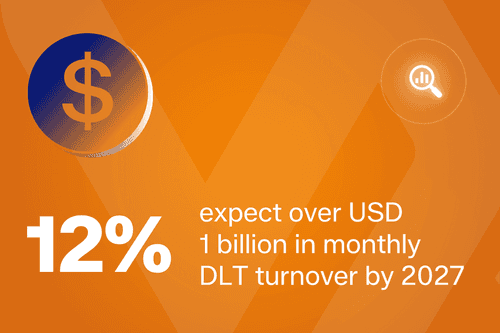
How are firms using DLT and digital assets in practice in 2026?