Broadening asset servicing in 2025: key findings
How is asset servicing transforming? Is the industry successfully creating scale and efficiency?
In Partnership with



SHARE THIS INSIGHT
Asset servicing operating models are under strain. Volumes are rising, automation is reducing, data issues are persistent. Where is pressure building, where is growth accelerating fastest, and why do firms need stronger controls?
Volumes accelerating fast
Growth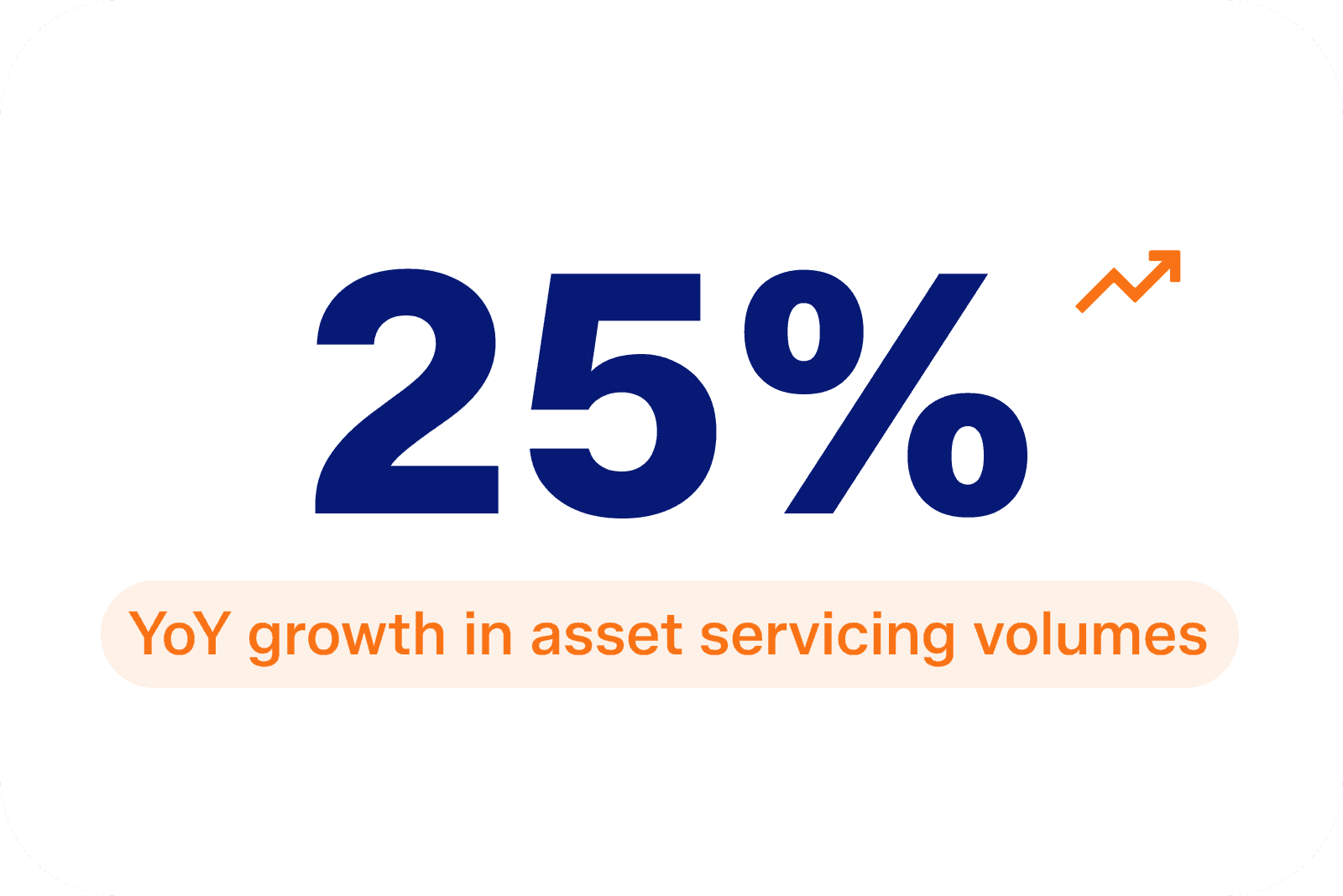
Investors saw the sharpest increase at 31% – the highest of any segment.
Rising volumes are intensifying pressure on firms still relying on manual processing models.
Data drives errors
Data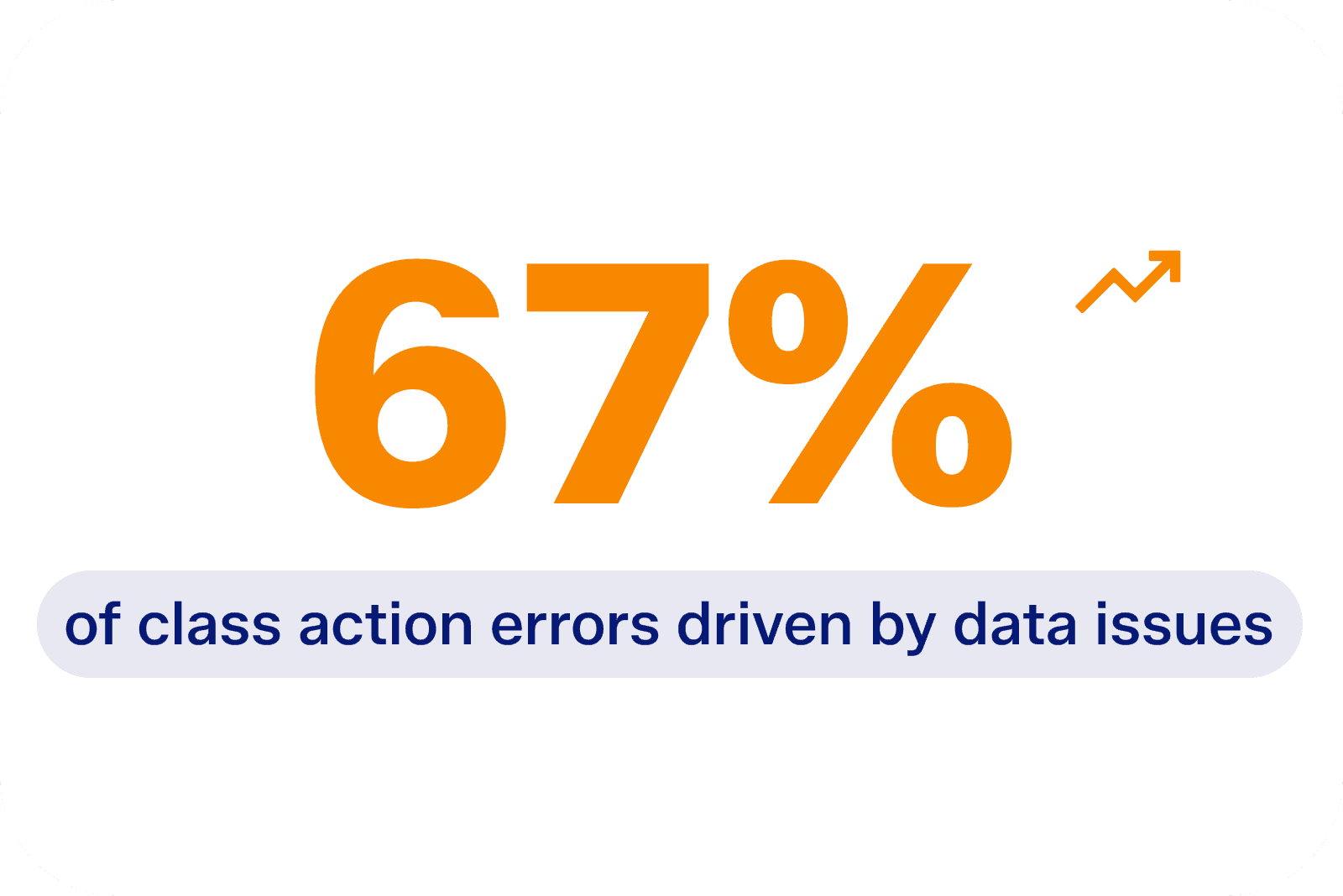
The same pattern holds across mandatory (64%) and voluntary (57%) events – data is the root cause.
Improving data quality is the most direct lever for reducing operational risk.
Broker savings ahead
Cost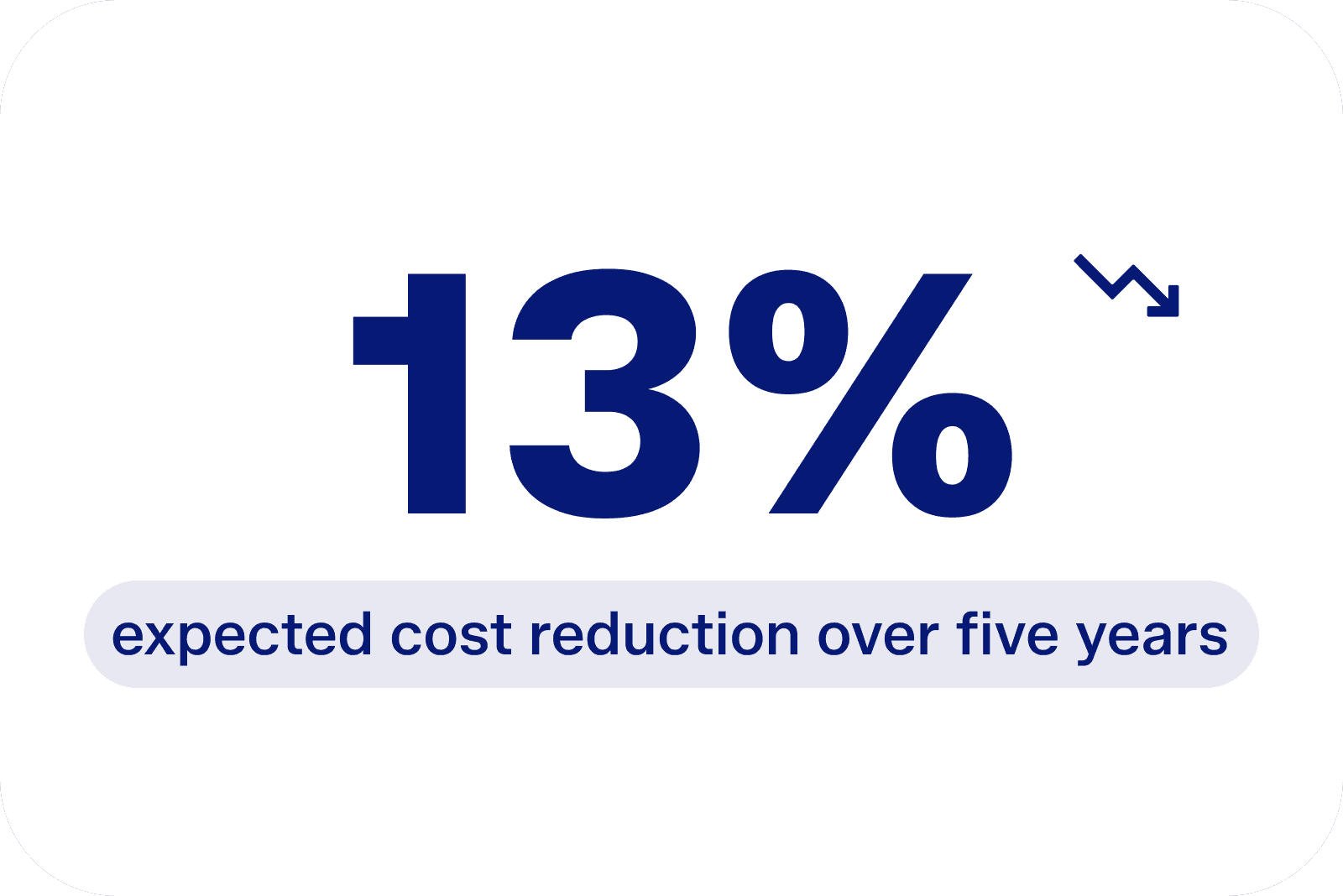
Brokers expect the largest cost reduction from new technologies of any segment.
Technology investment is becoming the primary lever for improving cost efficiency across asset servicing.
Asset servicing is facing key questions right now. How much growth can existing asset servicing models absorb before control starts to weaken? Where are firms seeing the clearest signs that scale is beginning to outpace resilience?
These key findings are based on input from 272 industry experts across issuers, agents, financial market infrastructures, custodians, brokers and investors, giving a cross-market view of how firms are responding to higher volumes, operational complexity and cost pressure.
The research, produced in partnership with Broadridge and International Securities Services Association (ISSA), highlights:
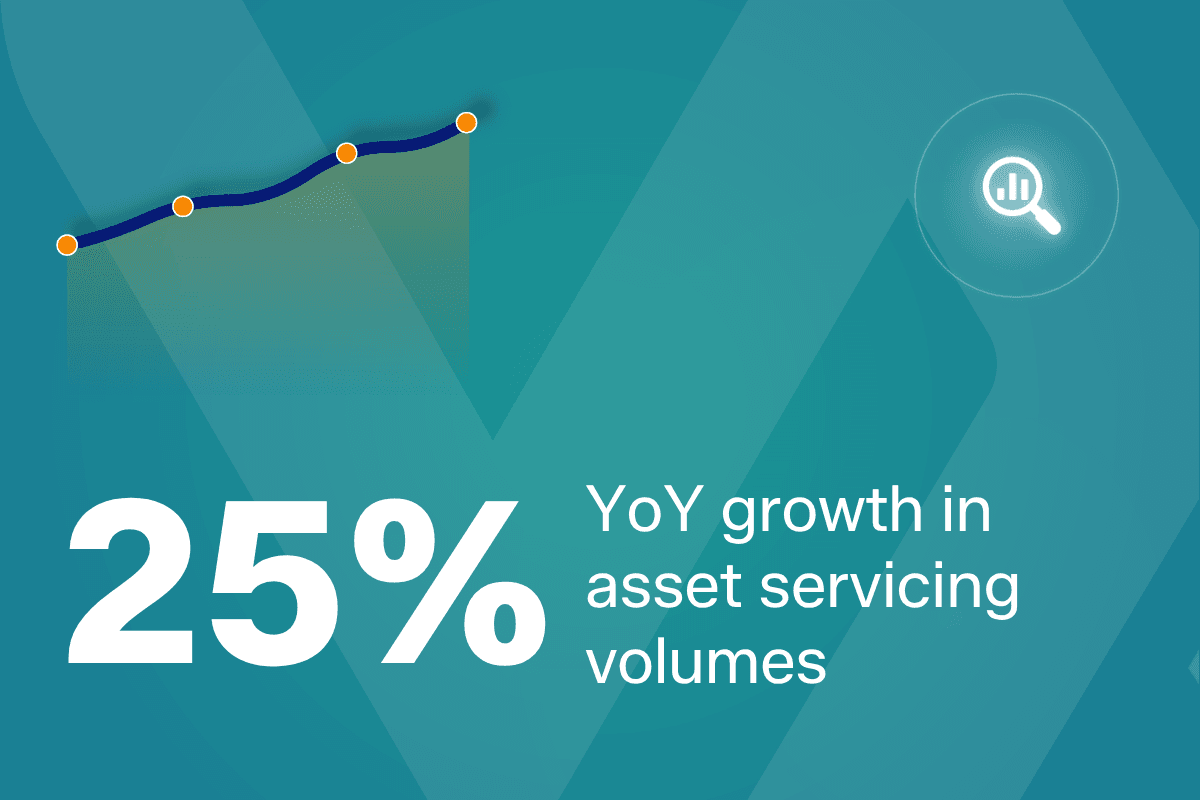
Asset servicing volumes increased by more than 25% YoY between 2024 and 2025, with investors reporting the sharpest increase at 31%
Volumes in Asia are rising at roughly double the rate seen in other regions, pointing to a faster build-up of operational pressure
Data issues account for up to 67% of errors in class actions, 64% in mandatory events and 57% in voluntary events
Brokers expect the largest efficiency gains from new technologies, projecting cost reductions of 13% over the next five years
Ask the Xchange AI
Have a question about our research? Ask our AI assistant for specific insights.
Authentication Required
You need to be logged in to access this content. Please sign in to continue.
You need to be logged in to access this content.