
Corporate action transformation in South Africa: key findings
Why is scaling South African corporate actions becoming more urgent?
In Partnership with


SHARE THIS INSIGHT
South African corporate actions are under pressure from manual processing, fragmented data and limited shareholder visibility. With 29% of market participants reporting serious issues with manual event processing and 60% of issuers experiencing lost votes, these key findings show where scale remains hardest to achieve.
Issuer visibility gap
Governance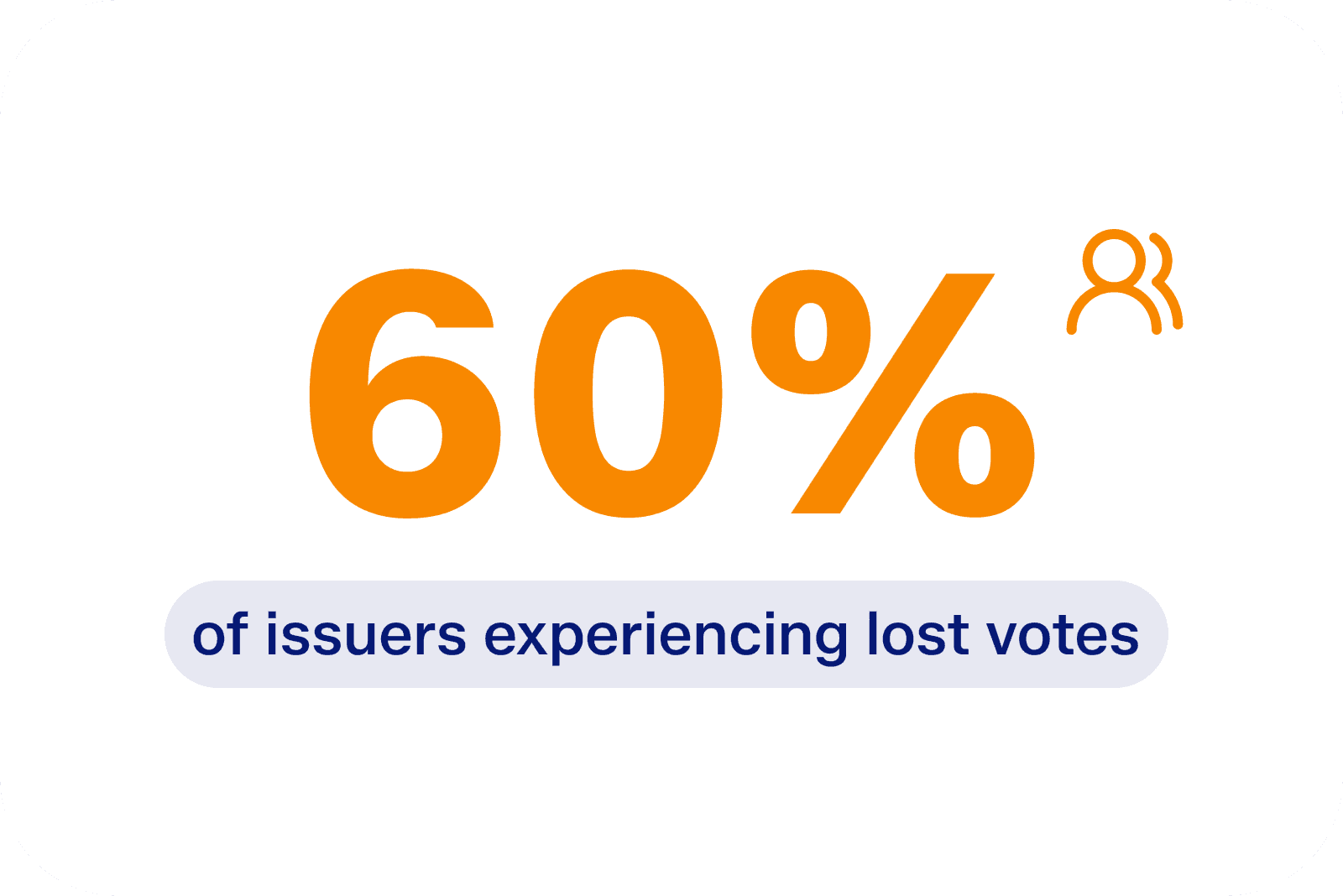
Without visibility on how shareholders vote, issuers cannot assess engagement properly or improve outcomes.
Without visibility on how votes are cast, issuers cannot improve engagement or outcomes.
Manual processing burden
Risk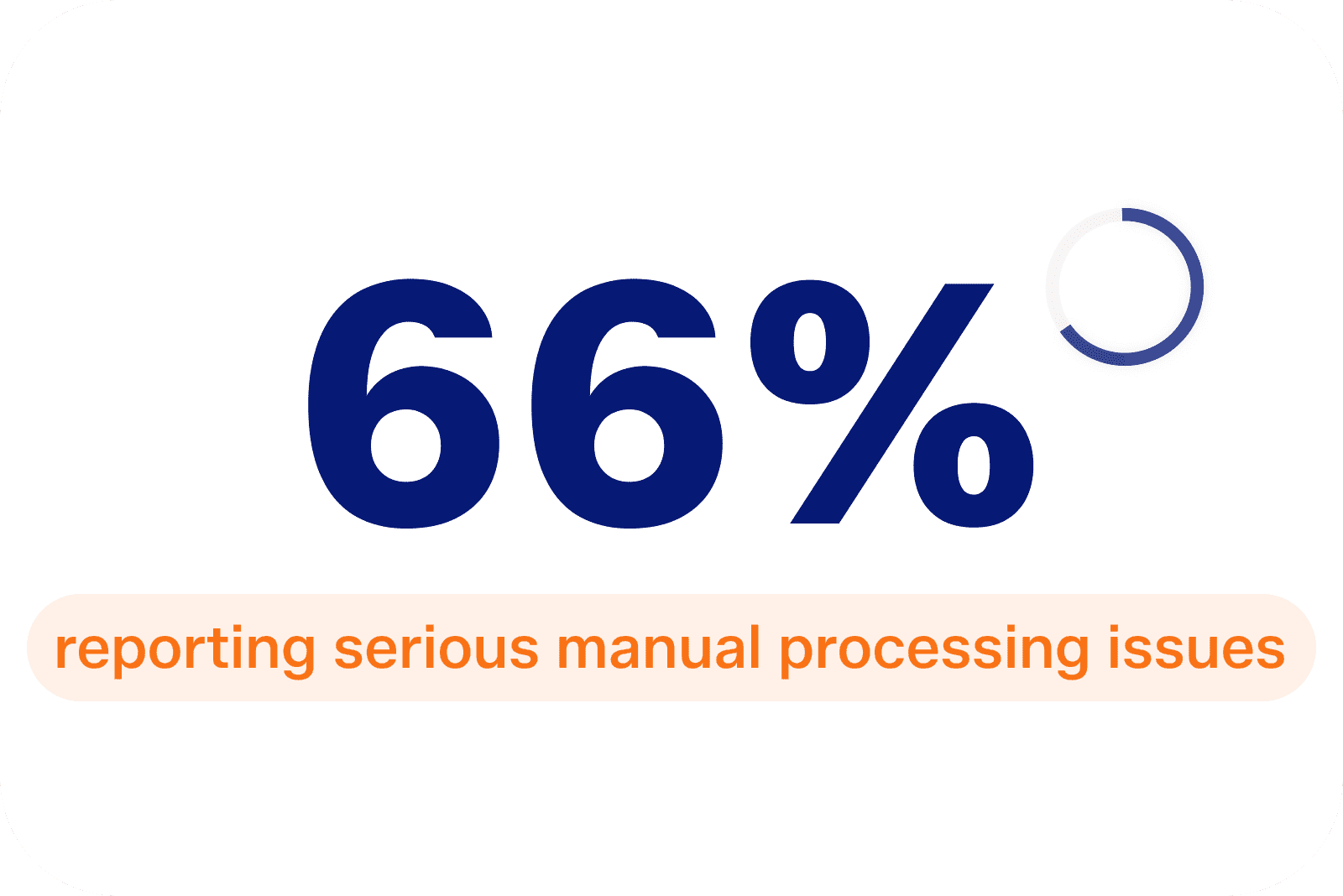
South Africans see their cost of risk as 2.7 times the global average – a direct consequence of manual dependency.
Firms draw on two or more data sources on average, multiplying reconciliation burden across the lifecycle.
Automation gap scale
Efficiency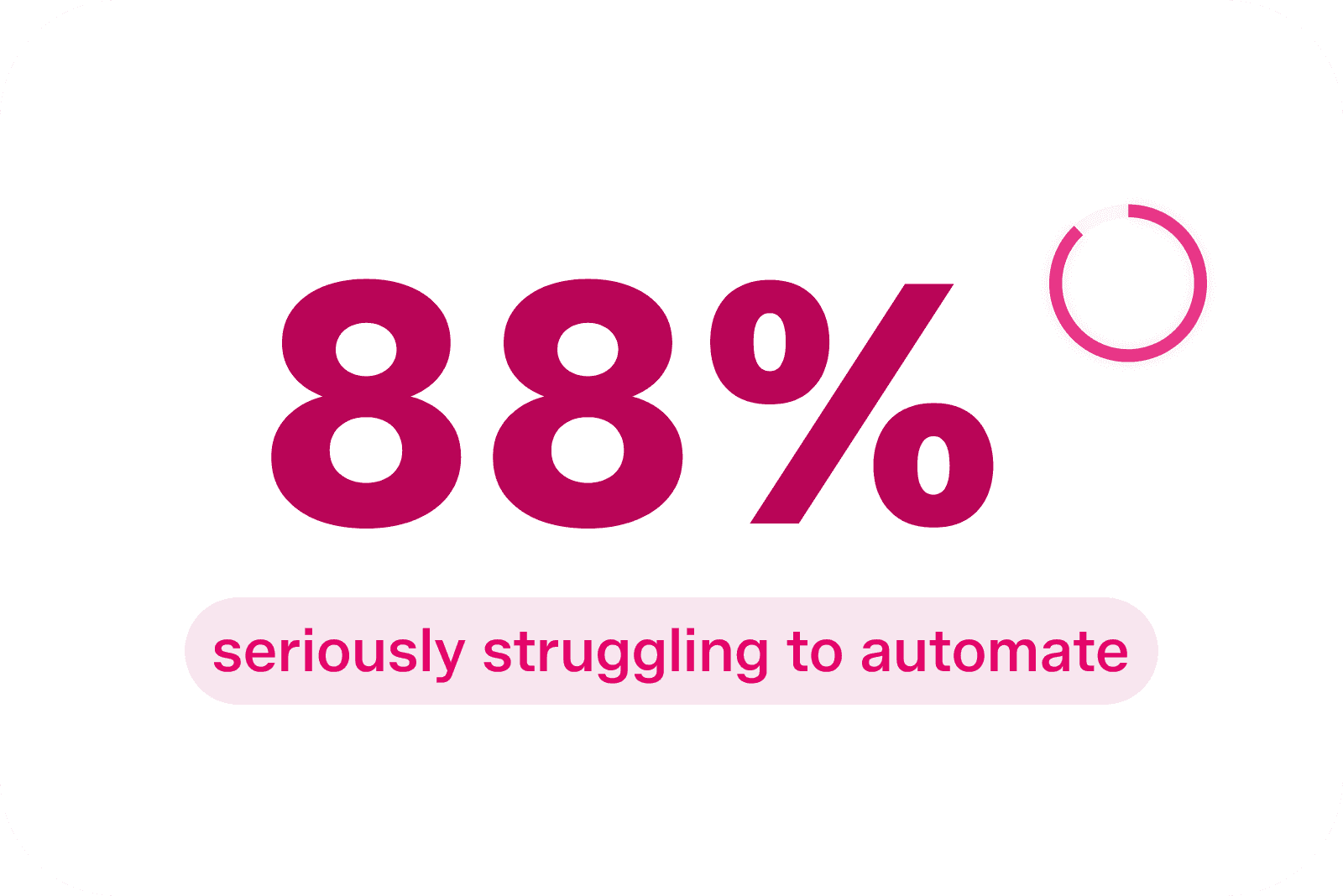
The automation gap is not isolated – it spans issuers, investors and intermediaries across the market.
The automation gap is widespread across issuers, investors and intermediaries.
Corporate actions in South Africa are becoming harder to manage at scale. As data demands rise and legacy processes persist, firms are facing growing pressure to improve control, visibility and operational resilience across the event lifecycle.
Where are the biggest barriers to scale in South African corporate actions today? How much risk is still being carried through manual processing, poor data quality and limited visibility across issuer and investor workflows?
The findings draw on industry input from issuers, investors, custodians and brokers, providing a cross-market view of the operational pressures shaping corporate actions in South Africa and the practical changes firms are considering for 2023.
The research, produced in partnership with Johannesburg Stock Exchange (JSE) and supported by Strate, highlights:
54% of issuers experience lost votes, while 60% struggle with poor visibility on shareholder voting, showing how issuer transparency remains constrained
62% of manual validation concentrated in voluntary events
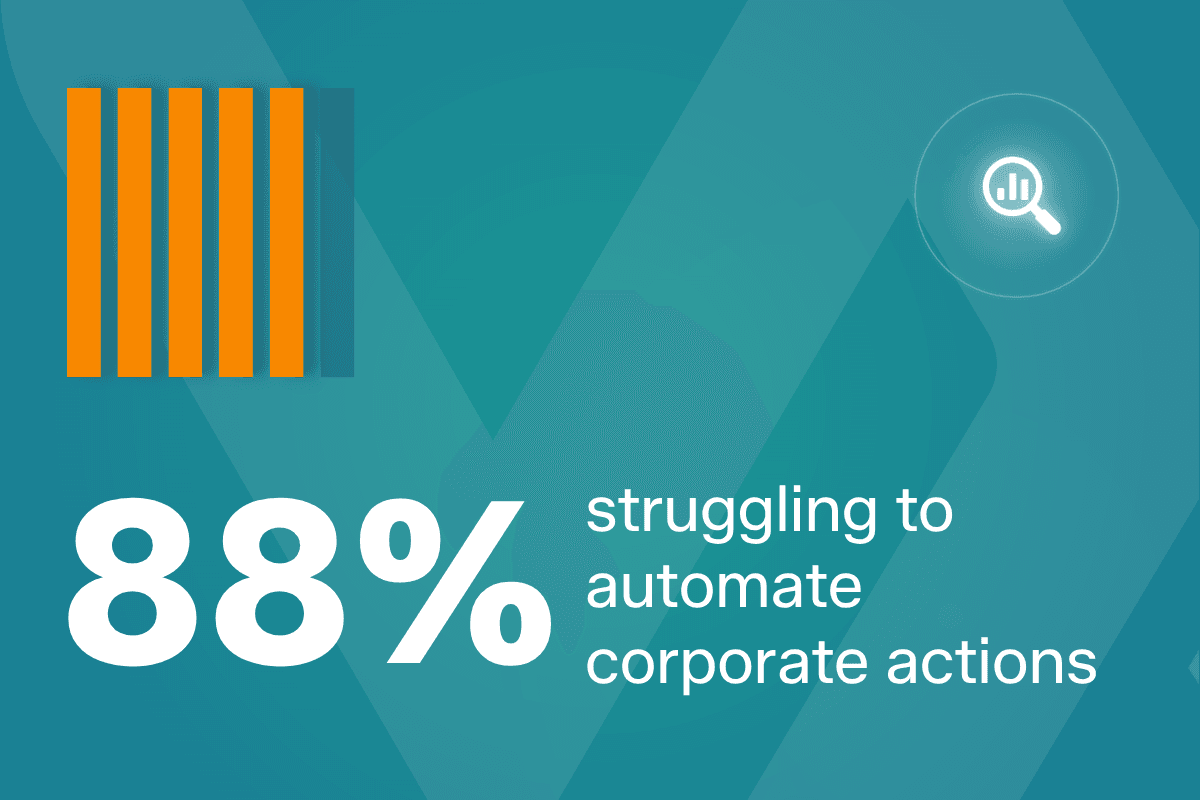
88% are struggling to automate, pointing to a widespread automation gap across South African corporate actions operations
14% data cost reduction potential: a move to golden copy event data could remove 14% of data management costs and improve straight-through processing (STP)
Ask the Xchange AI
Have a question about our research? Ask our AI assistant for specific insights.
Create an account to continue
This content is for registered members

Discover More
View All Insights
Key findings
15 July 2026
How ready is Europe for a critical year in the transition to T+1?

Webinar recording
14 July 2026
How is readiness evolving across the EU, UK and Switzerland as T+1 moves closer?

Xchange brief
14 July 2026
Our conversations this month: DLT deployment, T+1 complacency, AI in regulated institutions, EU market structure, and private markets
Xchange brief
13 July 2026
The Reserve Bank of Australia is ready to launch its first digitally native bond. Why should you pay attention to Australian digital assets?
Key findings
8 July 2026
How are firms using DLT and digital assets in practice in 2026?