
T+1 in the EU in Q3 2025: key findings
How ready is the EU for T+1 as costs rise and automation pressure builds?
In Partnership with




SHARE THIS INSIGHT
EU T+1 readiness is progressing, but the operational burden remains material. Based on input from more than 350 market participants across the EU and UK, these key findings show why implementation cost, service provider readiness and trade cycle automation are becoming central issues.
Implementation cost floor
Cost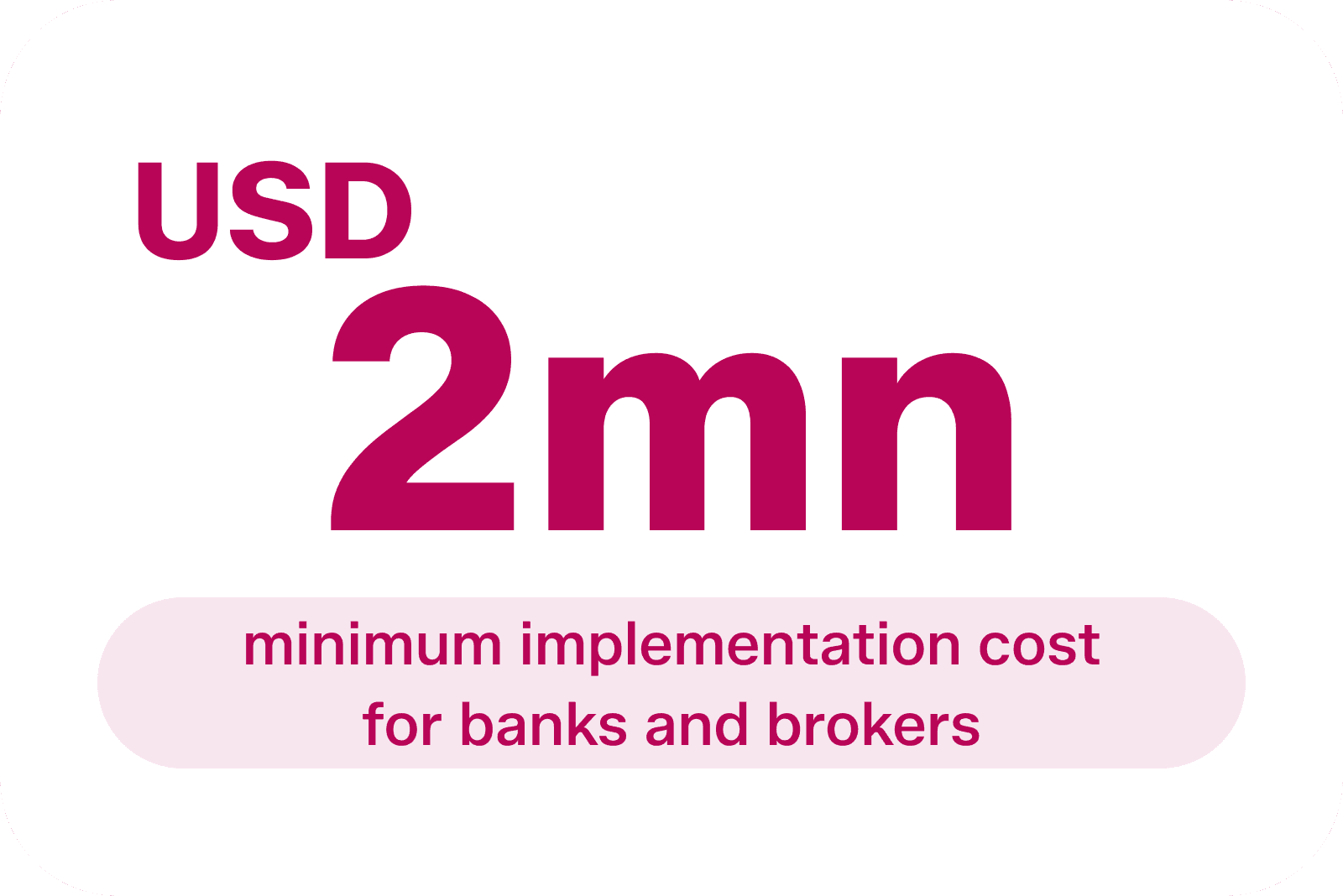
A significant share of firms expect to pay more than USD 1 million, and short-term cost pressure looks unavoidable.
Firms that invest early are better positioned to manage settlement risk through the transition.
Provider readiness low
Risk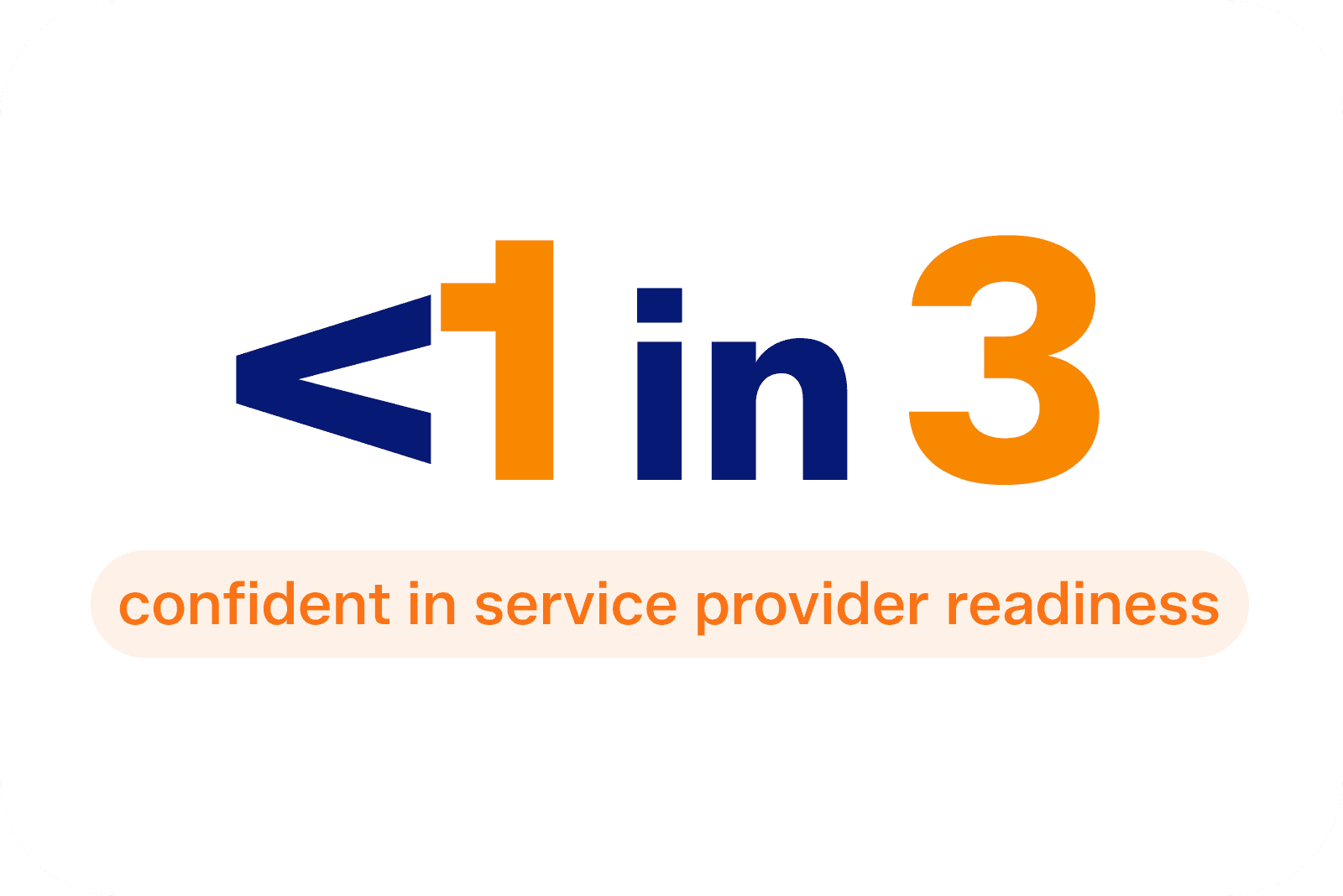
Service provider readiness is now the main external dependency, and confidence remains low across the market.
The majority expect to complete their own preparation by end-2026, but external dependencies threaten that timeline.
Fund cycle adjusting
Operations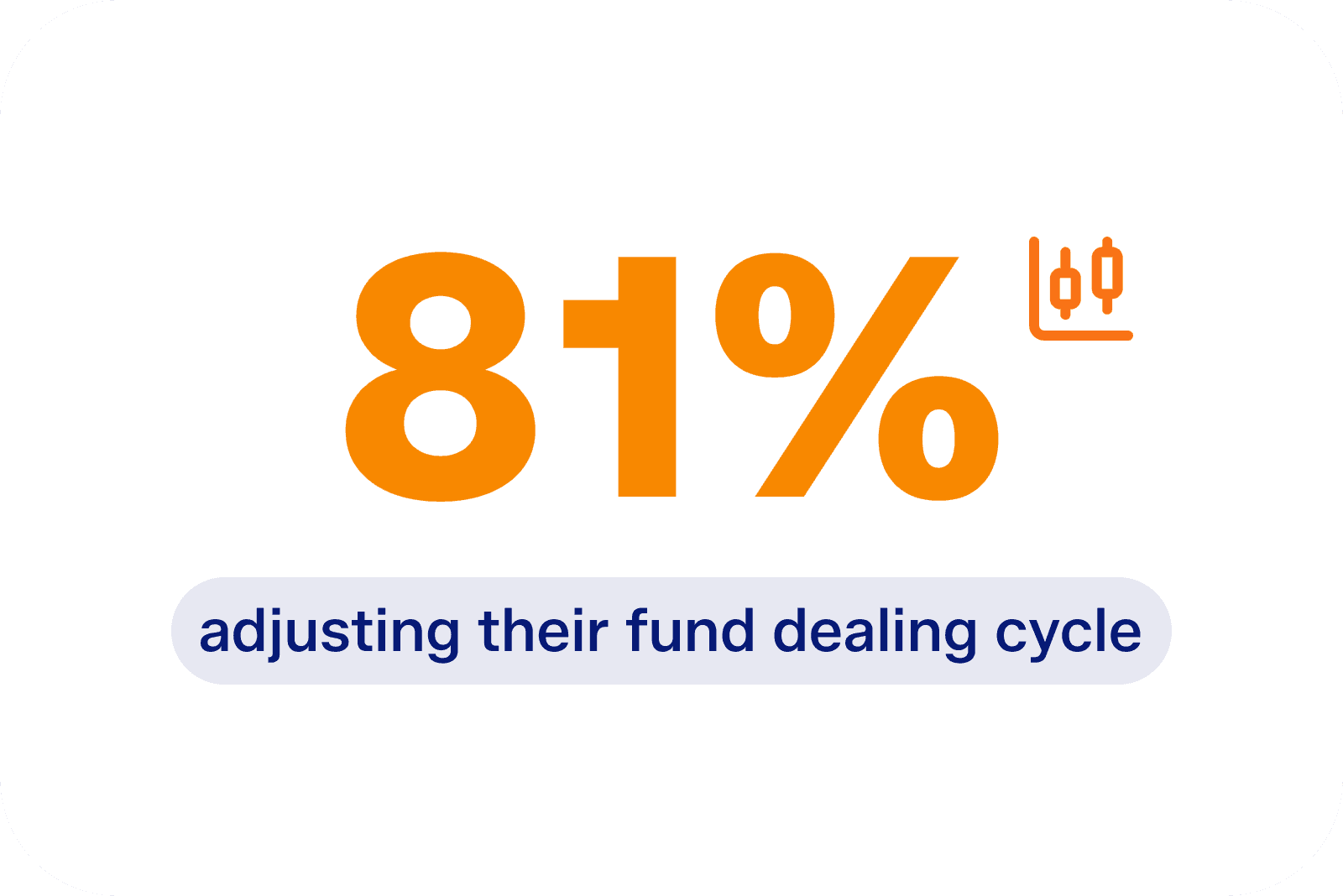
After years of investment in settlement efficiency, this is now the single biggest operational pressure point.
More than a third of T+1 project activity is now focused on platform change.
The European Union (EU) is building momentum towards T+1, but readiness remains uneven across firms and markets. The data points to solid project progress alongside growing concern over settlement efficiency, platform change and the cost of implementation.
How far has the EU progressed towards T+1, and which parts of the operating model are under the greatest pressure? Where are firms on track, and where do service provider dependencies and automation gaps still threaten execution?
The findings are drawn from the Q3 2025 Accelerated settlements: T+1 in the EU & UK pulse survey, based on feedback from more than 350 market participants across the two regions.
Produced in partnership with the T+1 Accelerated Settlement Taskforce, Depository Trust & Clearing Corporation (DTCC), Euroclear and Clearstream, and supported by International Securities Services Association (ISSA), European Fund and Asset Management Association (EFAMA), Investment Systems and Technology Consulting (ISITC), Asia Securities Industry & Financial Markets Association Asset Management Group (ASIFMA AMG), Investment Association (IA), European Central Securities Depositories Association (ECSDA) and European Banking Federation (EBF), the research highlights:
65% of firms in the EU are already active on T+1 preparation and expected to be completed by the end of 2026
Banks and brokers in the EU expect implementation to cost at least US dollar (USD) 2 million, with 30% of firms paying more than USD 1 million
Service provider readiness remains weak: less than one third of firms are confident that their service providers will be ready to support T+1
After years of investment, settlement efficiency is now the main operational pressure point for the EU transition
More than half of firms are focusing on automation, while 81% are adjusting the fund dealing cycle and over a third of project activity is centred on platforms
Ask the Xchange AI
Have a question about our research? Ask our AI assistant for specific insights.
Create an account to continue
This content is for registered members

Discover More
View All Insights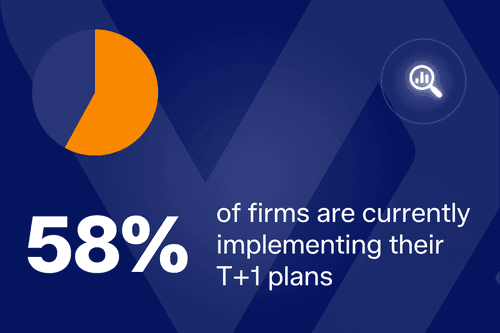
Key findings
15 July 2026
How ready is Europe for a critical year in the transition to T+1?

Webinar recording
14 July 2026
How is readiness evolving across the EU, UK and Switzerland as T+1 moves closer?

Xchange brief
14 July 2026
Our conversations this month: DLT deployment, T+1 complacency, AI in regulated institutions, EU market structure, and private markets
Xchange brief
13 July 2026
The Reserve Bank of Australia is ready to launch its first digitally native bond. Why should you pay attention to Australian digital assets?
Key findings
8 July 2026
How are firms using DLT and digital assets in practice in 2026?