
US Treasury central clearing (pulse survey): key findings
How prepared are firms for mandatory clearing of US Treasury securities?
In Partnership with





SHARE THIS INSIGHT
Mandatory US Treasury central clearing is approaching, but readiness remains uneven across regions and firm types. These key findings show where confidence is high, where project progress is lagging, and why margin, capital and operational change are the main pressure points.
Capital costs rising
Cost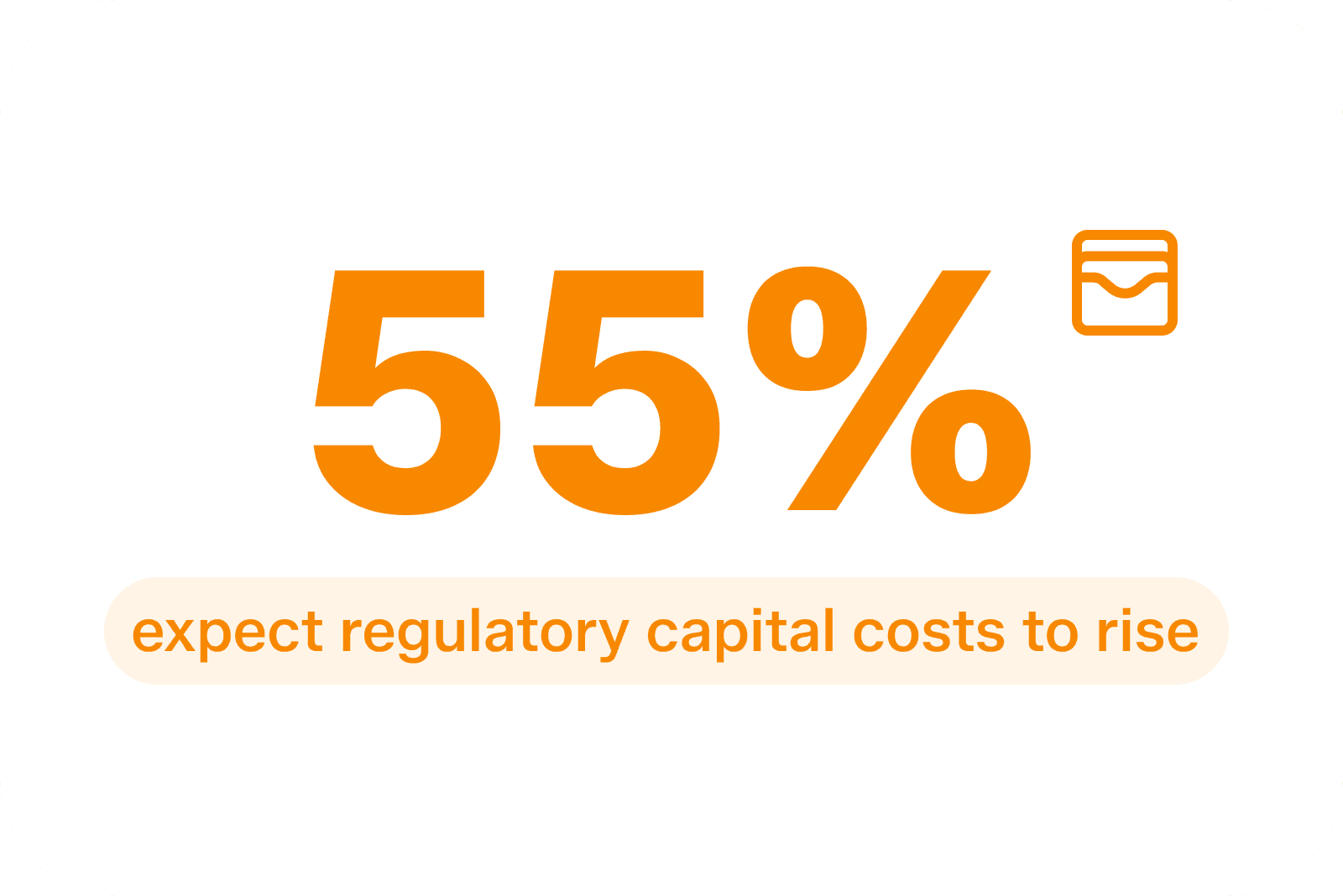
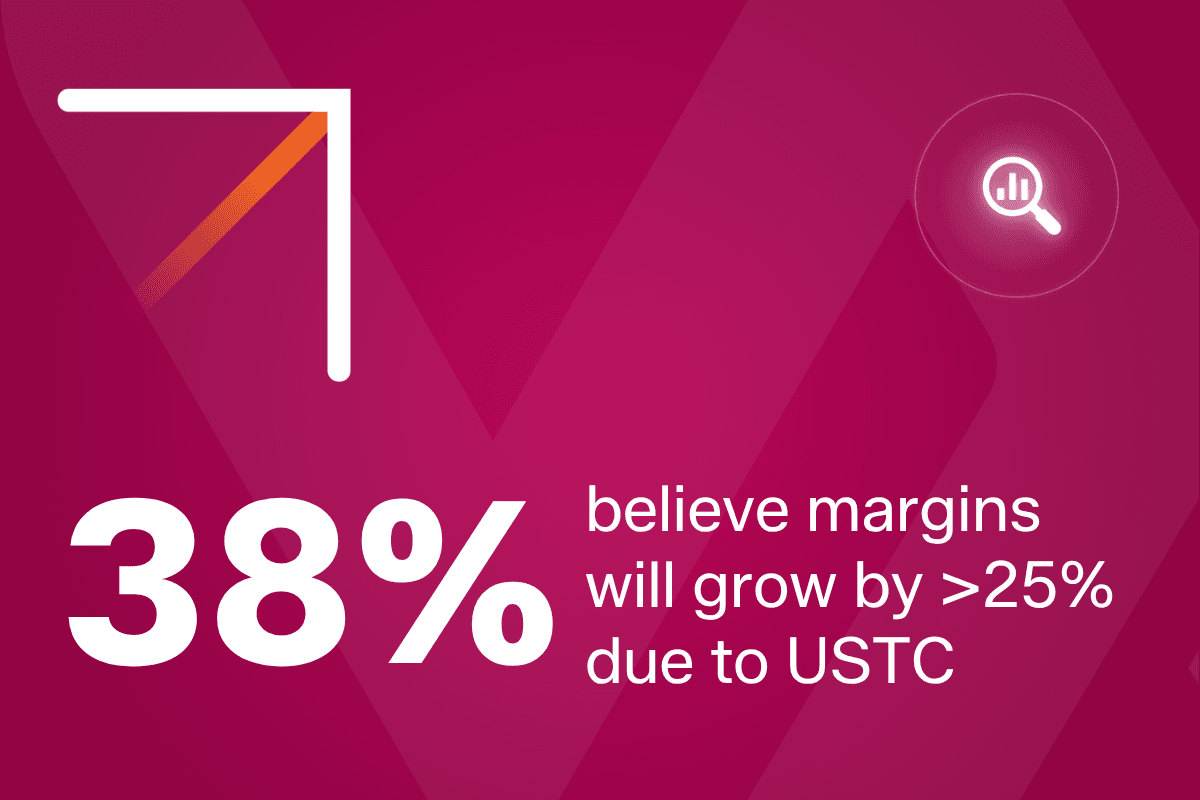
More than a third anticipate margin increases well above the current level, while very few expect any reduction.
US Treasury central clearing is expected to have a materially negative impact on both operating and treasury costs.
Buy side still researching
Readiness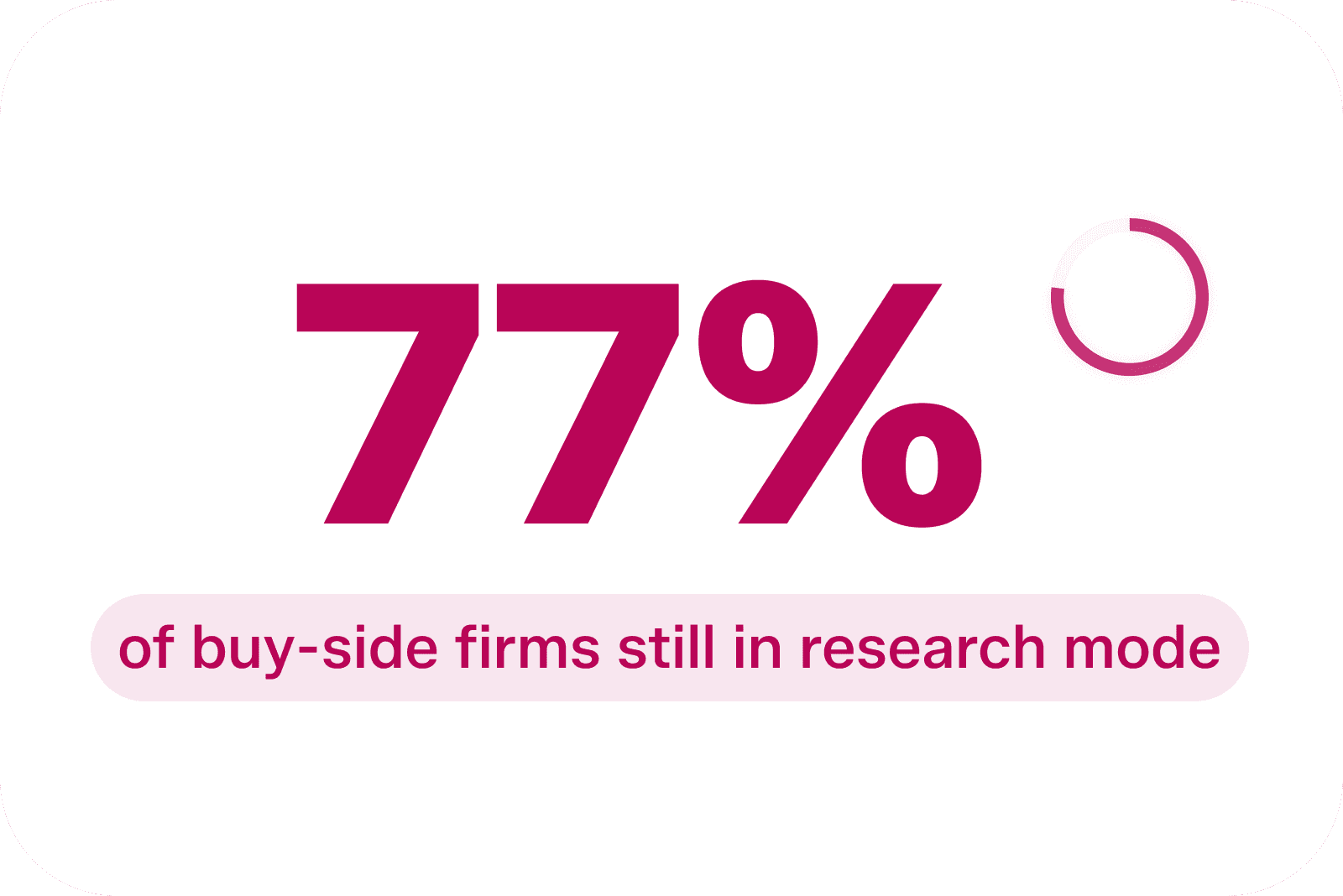
Time is the main constraint – nearly one in three firms do not expect implementation to finish until end-2027.
Client contract repapering and back-office system changes remain ahead of most firms still in the research phase.
Back office main concern
Operations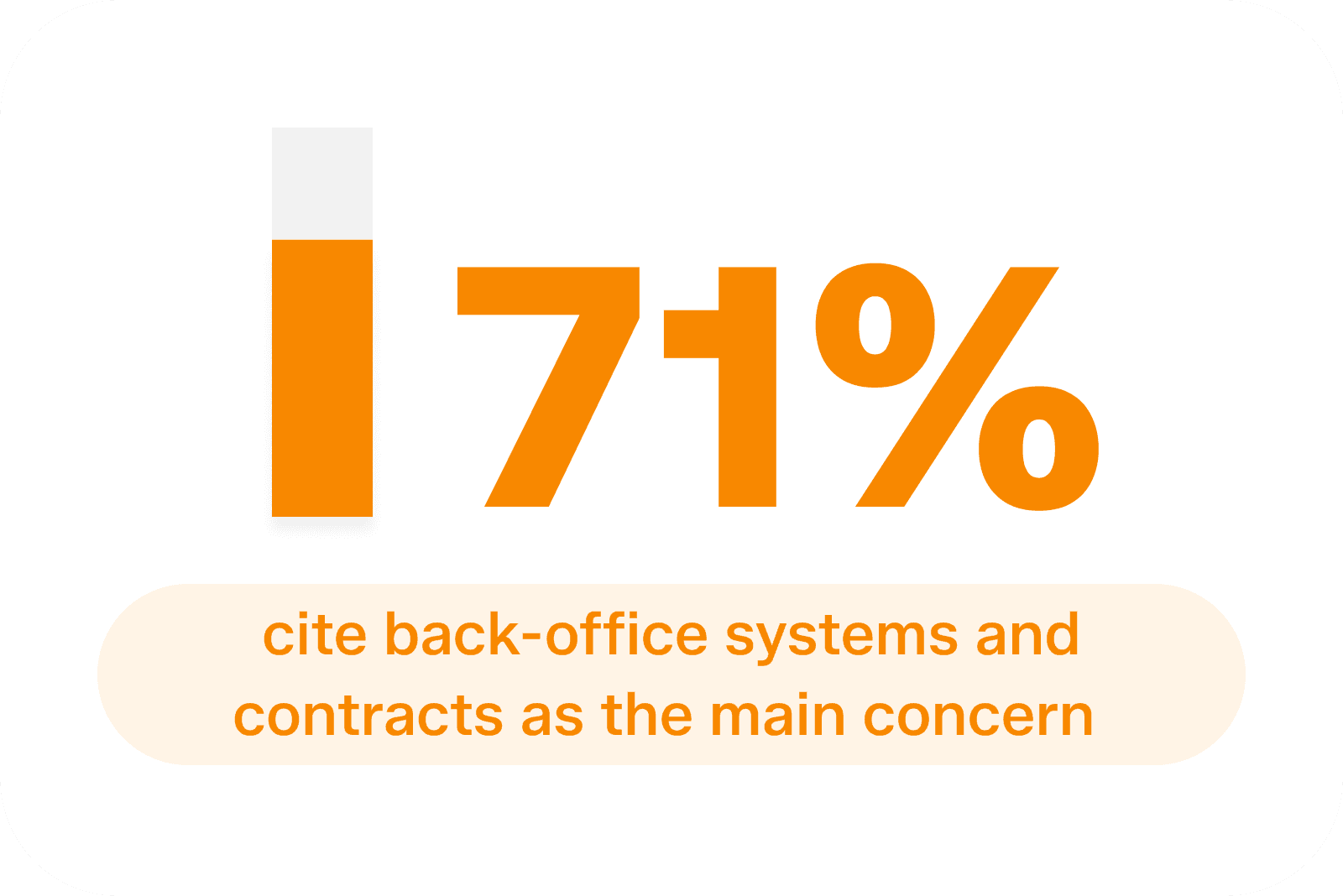
For the buy side, the impact is concentrated at the repo desk – for the sell side, it extends across the organisation.
Firms that move earlier will have more time to refine their operating model before go-live.
Mandatory clearing is approaching, but market readiness is far from uniform. Confidence may be relatively high on the surface, yet many firms are still early in planning while the operational and cost impact is becoming clearer.
How prepared is the market really for mandatory US Treasury central clearing? Which firms are moving ahead with implementation, and where do knowledge gaps, system changes and contract reform still threaten delivery timelines?
The findings are based on industry input examining how firms across regions and segments are preparing for mandatory clearing, including expected cost impacts, operational change requirements and implementation progress.
The research, produced in collaboration with Securities Industry and Financial Markets Association (SIFMA), BNY Mellon, Broadridge and Depository Trust Company (DTC), highlights:
88% of firms say they are at least somewhat confident of being ready ahead of the deadline. Only 47% describe themselves as very confident
77% of buy-side firms in research mode: most buy-side firms have yet to move beyond researching US Treasury central clearing
55% expect higher capital costs: more than half of respondents expect regulatory capital costs to rise. 38% anticipate margin increases of more than 25%
Low familiarity outside North America: awareness remains much lower in overseas markets. Only 27% of European respondents say they are very familiar with the rule changes; Asia-Pacific (APAC) firms report only partial familiarity
71% cite contracts and back office as key concerns: client contract repapering and back-office system changes are seen as the biggest operational challenges
Ask the Xchange AI
Have a question about our research? Ask our AI assistant for specific insights.
Create an account to continue
This content is for registered members

Discover More
View All Insights
Key findings
15 July 2026
How ready is Europe for a critical year in the transition to T+1?

Webinar recording
14 July 2026
How is readiness evolving across the EU, UK and Switzerland as T+1 moves closer?

Xchange brief
14 July 2026
Our conversations this month: DLT deployment, T+1 complacency, AI in regulated institutions, EU market structure, and private markets
Xchange brief
13 July 2026
The Reserve Bank of Australia is ready to launch its first digitally native bond. Why should you pay attention to Australian digital assets?
Key findings
8 July 2026
How are firms using DLT and digital assets in practice in 2026?