ISO 20022 The Foundation for Operational Maturity: whitepaper
The foundation for operational maturity in asset servicing.
In Partnership with


Part three of the series examines how data quality gaps are driving operational risk across asset servicing. It explores how ISO 20022-based models reduce manual touchpoints, improve efficiency and support a more scalable foundation for future transformation.
ISO 20022 adoption gap
Technology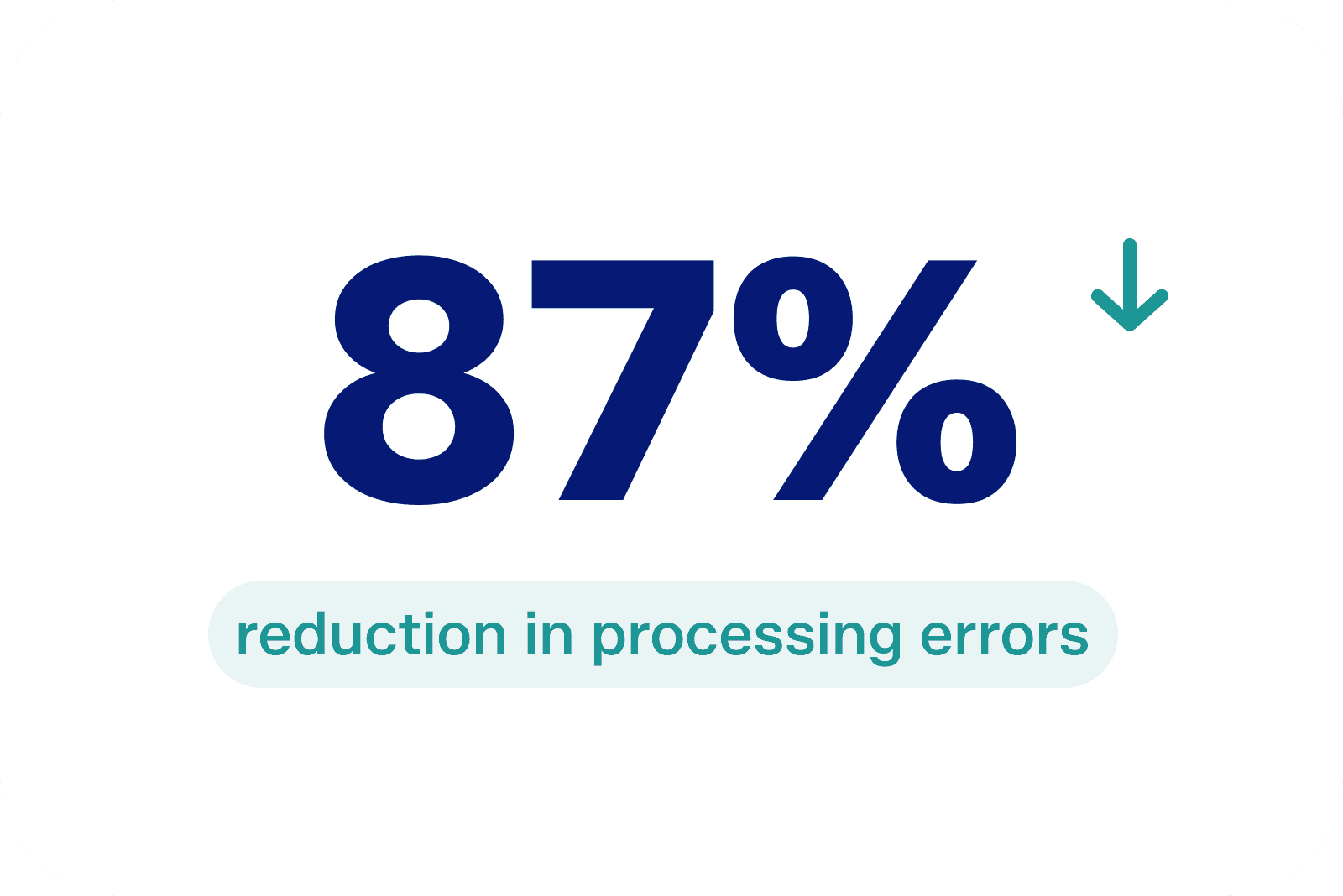
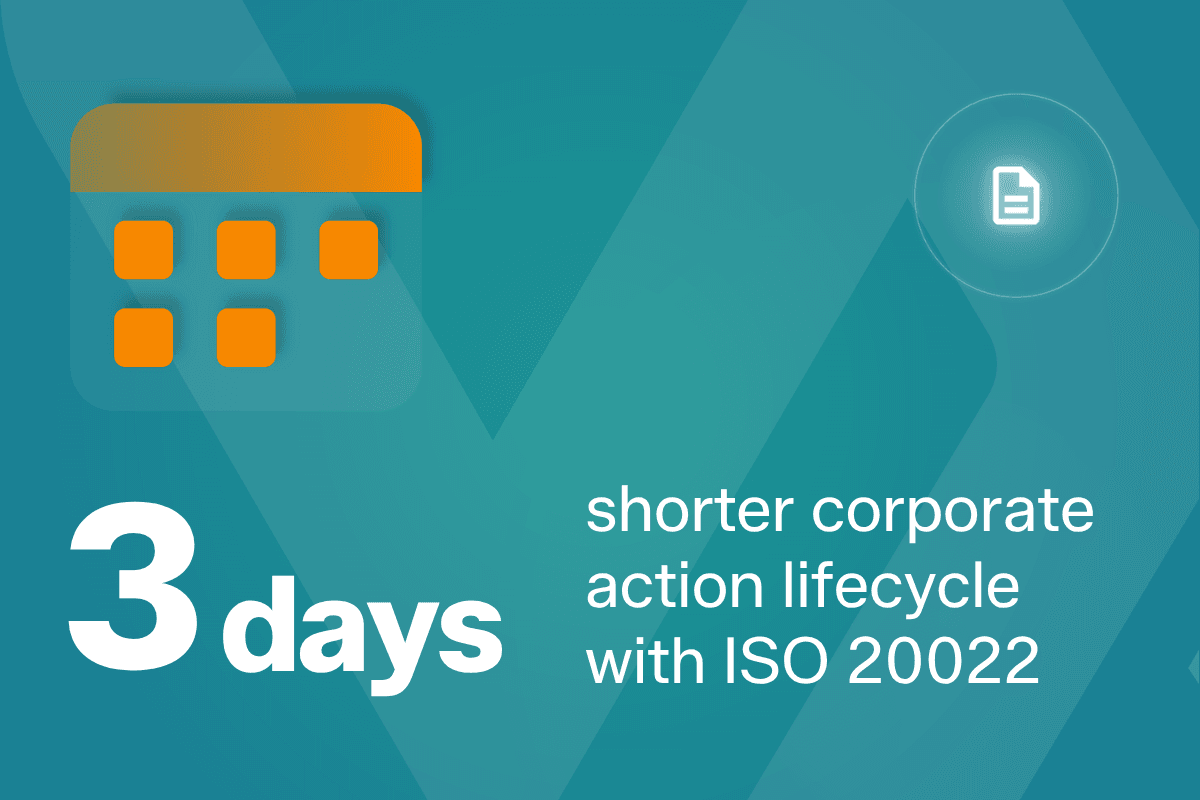
ISO 20022 adoption can also shorten the corporate actions lifecycle by up to three days — reducing both time and cost.
At current adoption rates, the benefits of ISO 20022 standardisation will remain theoretical for most of the market.
Annual inefficiency cost
Cost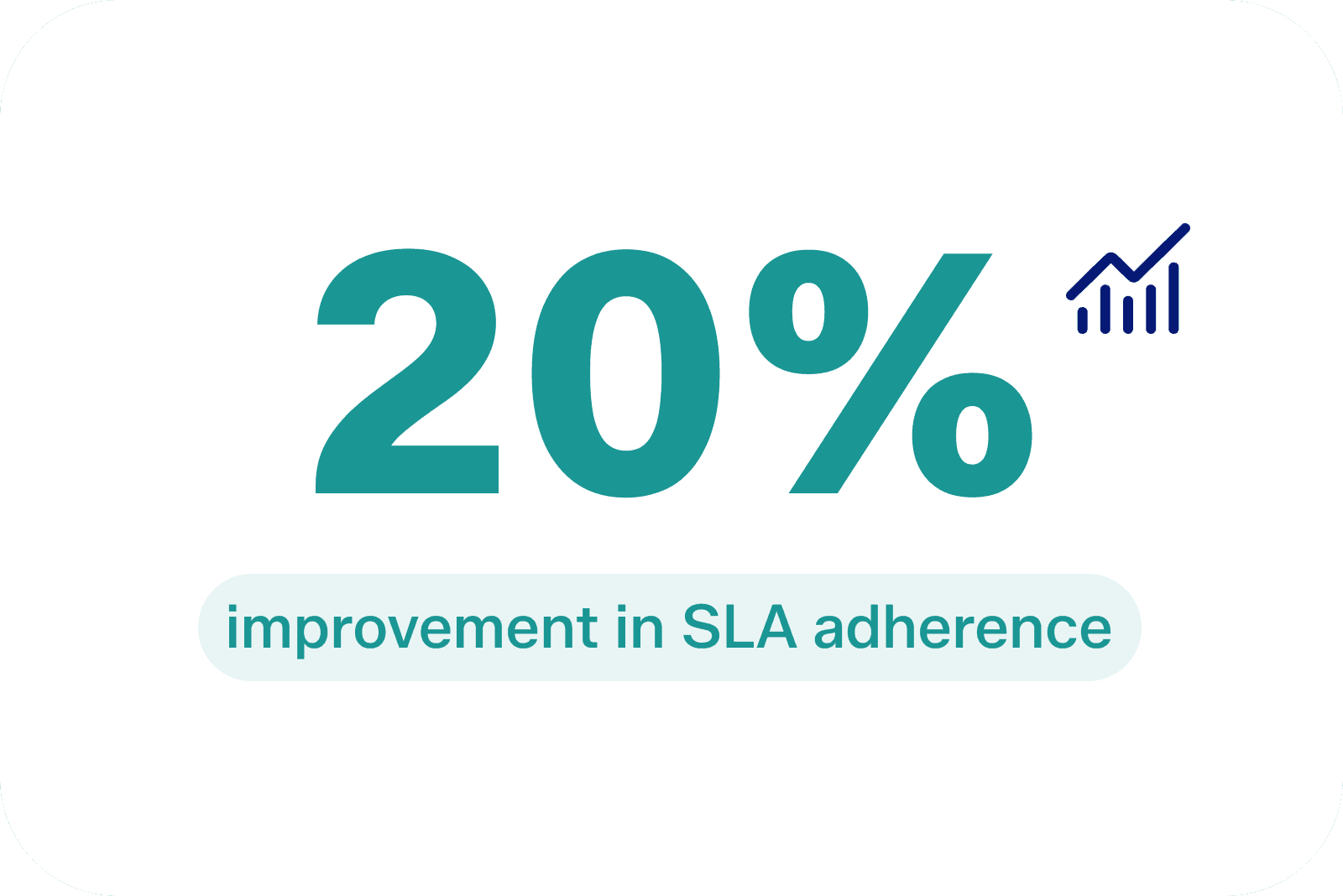
The paper shows how data quality gaps create operational risk — and how ISO 20022-based models are improving automation, scale and efficiency.
Standardisation through ISO 20022 could address a meaningful share of this cost without requiring firms to rebuild from scratch.
Standardisation reduces errors
Efficiency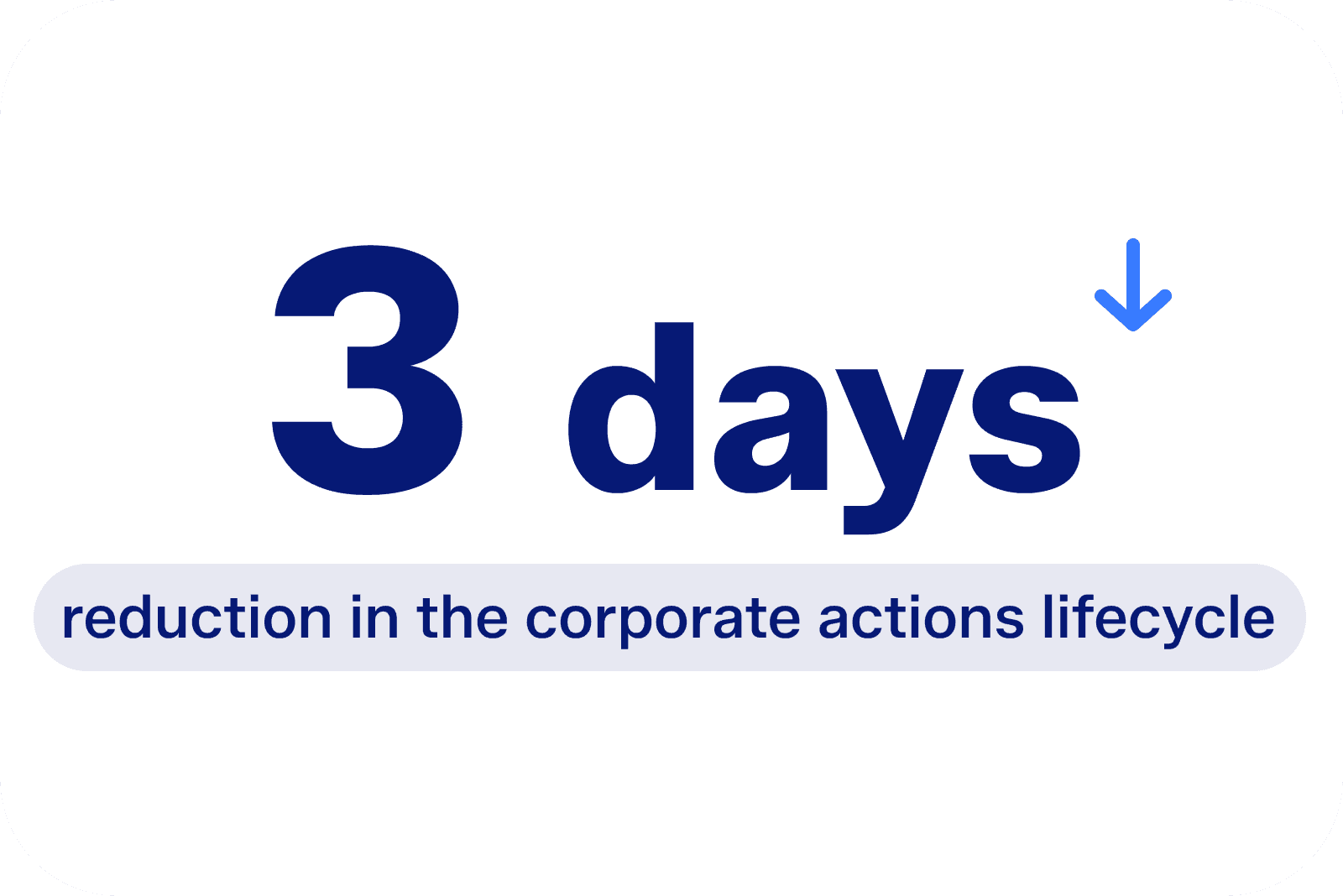
ISO 20022 is both a safeguard against fragmentation and a catalyst for competitive differentiation.
The gains are available now — the barrier is adoption pace, not technology readiness.
The corporate actions ecosystem is reaching a decisive moment as volumes rise, timelines compress and the gap between structured and manual operating models continues to widen. Data quality is becoming a more direct determinant of risk, efficiency and operational resilience.
How much operational risk is still being created by fragmented and misaligned data? What changes when firms treat ISO 20022 not just as a messaging standard, but as a foundation for more mature operating models?
Part three of the series examines how data quality gaps create operational pressure across asset servicing and why structured, interoperable data is becoming central to lower-risk, more efficient operations. It shows how ISO 20022-based models are reducing manual touchpoints, improving orchestration and creating a stronger base for future transformation.
The research, produced in partnership with SmartStream Technologies, highlights:
ISO 20022 adoption can reduce processing errors by up to 87%, while shortening the corporate actions lifecycle by up to three days
Firms adopting more structured models also report slower cost growth and a 20% improvement in service level agreement adherence
The paper examines how data quality gaps affect operational risk, automation, scale and efficiency across the lifecycle
ISO 20022 is emerging as both a safeguard against fragmentation and a basis for longer-term transformation
Ask the Xchange AI
Have a question about our research? Ask our AI assistant for specific insights.
Authentication Required
You need to be logged in to access this content. Please sign in to continue.
You need to be logged in to access this content.
SHARE THIS INSIGHT