Transforming banking balance sheets: whitepaper
How European banks could unlock trapped liquidity through post-trade transformation.
In Partnership with


Balance sheet optimisation is becoming more dependent on post-trade design as European banks face tighter capital pressure and fragmented market structures. This whitepaper examines where liquidity remains trapped, how outdated models are increasing friction and why the Investor CSD model is gaining attention as a route to change.
Idle European liquidity
Liquidity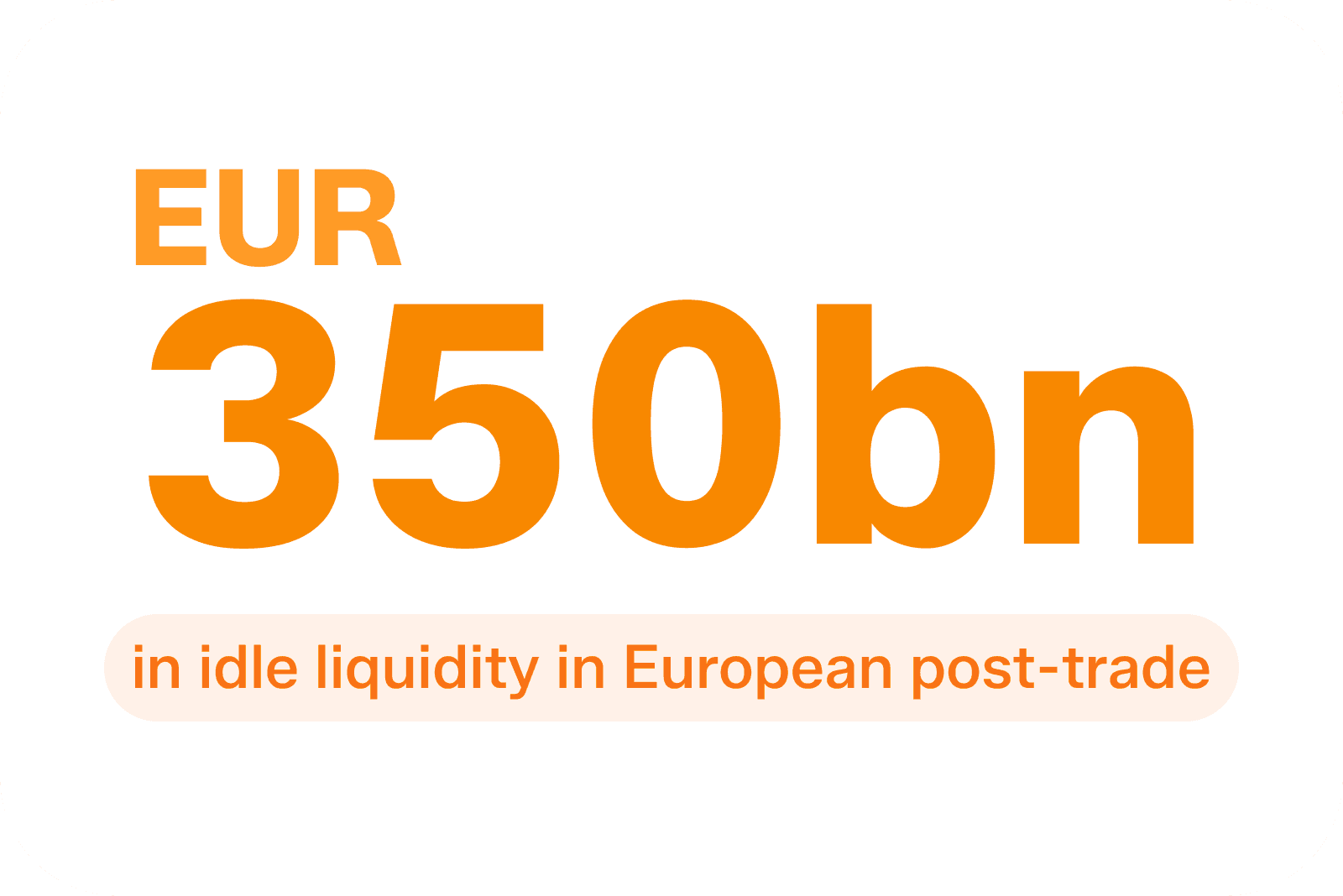
Europe's banks have a major opportunity to unlock trapped collateral and improve balance sheet flexibility — but only by addressing the fragmented structures that hold it in place.
The question is not whether the opportunity exists, but whether firms are willing to make the structural changes needed to access it.
Friction reduction possible
Efficiency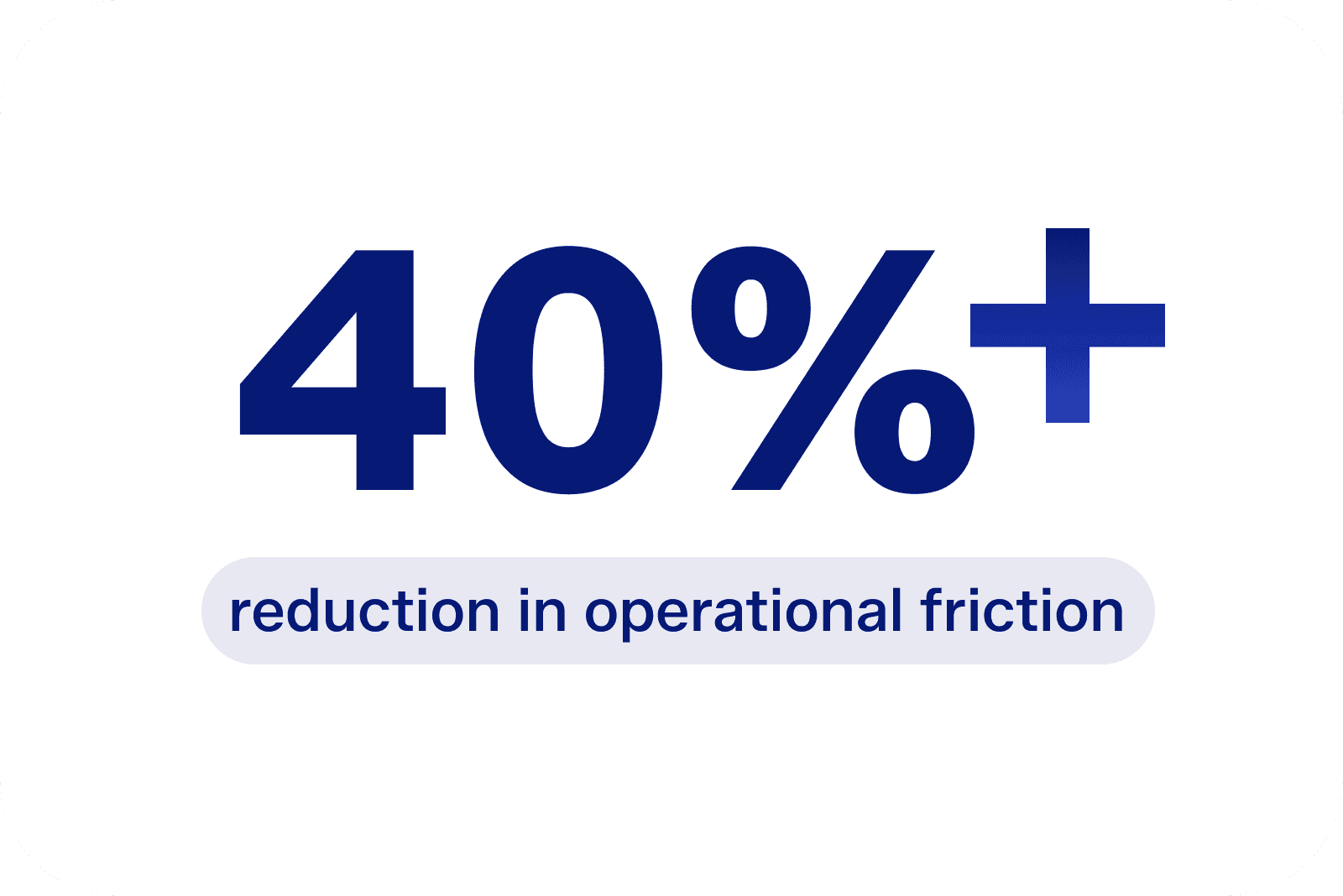
Outdated issuer CSD models are trapping high-quality assets and increasing cost, capital strain and operational friction across fragmented markets.
Basel III pressure is adding urgency — the cost of maintaining fragmented structures is rising with the regulatory burden.
Investor CSD model
Opportunity
The Investor CSD model offers a practical route to simplify post-trade across T2S, with measurable results already visible among early adopters.
Harmonised settlement and broader cross-market access create a clearer route to liquidity optimisation for European banks.
European banks are under growing pressure to improve liquidity efficiency as regulation, funding constraints and fragmented post-trade structures continue to weigh on balance sheet flexibility. The challenge is not simply one of capital availability, but of how effectively firms can mobilise high-quality assets across markets.
How much liquidity remains trapped in Europe's post-trade system today? What changes when banks move beyond outdated issuer central securities depository (CSD) models and adopt more harmonised approaches to collateral and settlement access?
The whitepaper examines how leading banks are reshaping balance sheet strategy through post-trade transformation. It looks at the scale of idle liquidity, the operational and capital costs created by fragmented market structures and the role of the Investor CSD model in supporting broader cross-market access and liquidity optimisation.
The research, produced in partnership with Clearstream, highlights:
Euro (EUR) 350 billion in idle liquidity: Europe's banks have a major opportunity to unlock trapped liquidity through post-trade change
40%+ less friction potential: the data suggests significant reductions in operational friction are possible through more efficient models
Outdated issuer CSD models continue to trap high-quality assets and increase cost, capital strain and complexity
The model offers harmonised settlement, wider cross-market access and a clearer route to liquidity optimisation
Ask the Xchange AI
Have a question about our research? Ask our AI assistant for specific insights.
Authentication Required
You need to be logged in to access this content. Please sign in to continue.
You need to be logged in to access this content.
SHARE THIS INSIGHT